





African goalkeepers are gaining overdue respect. The change has been gradual but real.
Their contributions of African goalkeepers were ignored for decades. Recognition is finally catching up.
African Goalkeepers: The Shift in Perception
For many years, African goalkeepers were not celebrated in the same way as outfield stars. Attacking players and defenders from the continent often gained the spotlight, while keepers struggled to earn the same level of acclaim. This was particularly visible in European leagues, where recruits from Africa in goal were rare. However, there has been a significant shift in recent seasons. It is clear that improved scouting, modern coaching methods, and increased media exposure have played important roles in facilitating this change.
The stereotype that African goalkeepers lacked consistency or technique has dissipated. Increased access to high-level training facilities and better representation in top leagues helped challenge these outdated assumptions. Many supporters and analysts now acknowledge that African keepers bring strong reflexes, leadership, and mental resilience to the game. Moreover, the growing number of role models at the highest level helped inspire younger talent.
Edouard Mendy’s Impact
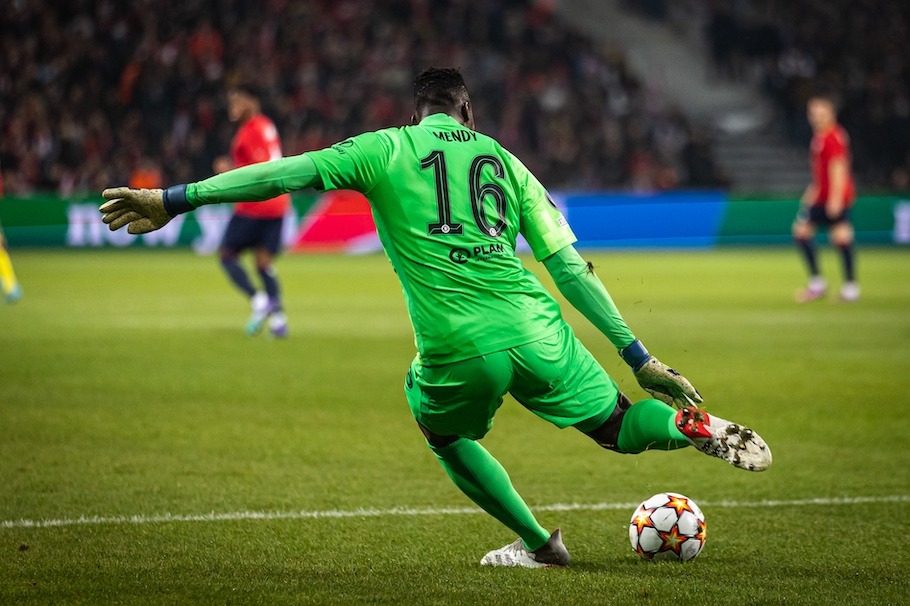
Edouard Mendy’s success with Chelsea (21.37) in the 2020-21 season was a key milestone. He lifted the UEFA Champions League as the club’s first-choice keeper. His composure and shot-stopping ability helped change the narrative surrounding African goalkeepers at elite level. Fans noticed his journey from unemployment to the peak of European soccer, and it resonated deeply. Mendy’s story served as proof that elite African goalkeepers not only exist but thrive when trusted.
Additionally, Mendy helped show that African goalkeepers could excel in tactical systems requiring modern distribution. Chelsea’s defensive setup under Thomas Tuchel emphasised structured build-up play and quick transitions. Mendy succeeded in that environment, which further proved that technical misconception about African keepers was wrong. As a result, clubs and agents might possibly now be more willing to give African goalkeepers fair opportunities.
Increased Spotlight through World and Club Competitions
The FIFA Club World Cup has also increased global attention on African clubs. Supporters across continents are watching African goalkeepers perform against top sides from Europe, Asia, and South America. The exposure has helped highlight their strengths in high-pressure contests. These matches offer a platform that league competitions alone may not always provide. Consequently, clubs across the world now track African goalkeepers more actively.
In addition, African continental tournaments continue to grow in profile. The Africa Cup of Nations, in particular, draws significant global viewership. Goalkeepers often play decisive roles in knockout matches, making them more visible. Penalty shoot-outs and crucial saves provide memorable moments. This ultimately leads to increased appreciation of their skills.
Ronwen Williams and New Recognition
Ronwen Williams’ recent achievements reflect the progress being made. The South African goalkeeper finished ninth in the 2024 Yashin Trophy voting. This placed him among the top-ranked goalkeepers in the world. His performances for club and country continued to impress, particularly in penalty situations. Williams’ calmness under pressure and shot-stopping ability earned admiration.
He now finds himself nominated for FIFA’s The Best Men’s XI for performances from 11 August 2024 to 2 August 2025. The nomination alone signals how far perceptions have changed. It acknowledges that African goalkeepers are contributing at the highest levels. Williams is viewed as a leader, a communicator, and a match-winner. His recognition could encourage clubs in Europe, Asia, and the Americas to pay closer attention to talent from Africa.
Others Still Overlooked
Although progress has been made, not every capable African goalkeeper has received equal attention. There are several highly skilled keepers playing in domestic African leagues who remain under the radar. Their lack of international media exposure continues to limit their recognition. Recruitment patterns are still heavily influenced by European scouting networks, which do not always look toward Africa consistently. Therefore, continued work is necessary to provide more balanced scouting.
However, positive steps are being taken. Soccer academies across the continent are developing specialised goalkeeper training programmes. Federations and clubs are investing in facilities and technical coaching. Better representation agencies are emerging, which may help players move abroad. As online sports betting markets and international broadcasting continue to expand, global audiences are exposed to more competitions featuring African keepers. Increased visibility can help correct long-standing biases.
Looking Ahead
The progress should not be viewed as complete, but it is certainly encouraging. African goalkeepers now have clear pathways to elite competition. Players like Mendy and Williams have proven that the old stereotypes were unfounded. More keepers will likely follow in their footsteps. It will require patience, continued development, and fair opportunity. If those conditions are met, goalkeepers from the continent could become some of the most respected names in the sport.
Recognition is not just about awards. It is also about narrative. African goalkeepers are shaping their own narrative now. The global soccer community is starting to listen and appreciate their contributions. Future generations will benefit from this shift in perspective.